Table of Contents
The Modern Convenience Trap of Tea Bags
In our rushed modern schedules, tea bags have become synonymous with effortless convenience. Just drop a bag into a mug of hot water, wait two minutes, and discard. But behind this seamless convenience lies a major compromise in health, flavor complexity, and environmental sustainability.
The Microplastics Shock: What Studies Reveal
A landmark scientific study published by researchers at McGill University in Montreal revealed that steeping a single plastic tea bag at brewing temperature (95°C) releases approximately 11.6 billion microplastics and 3.1 billion nanoplastics directly into a single cup of tea.
Even so-called "silky paper bags" frequently utilize polypropylene (PP) sealants along the crimped edges to keep the bags from opening in boiling water. Over time, chronic ingestion of microplastic particles has been linked in preliminary clinical literature to endocrine disruption, cellular inflammation, and gut barrier permeability.
Flavor Physics: Whole Leaves vs Crushed Dust
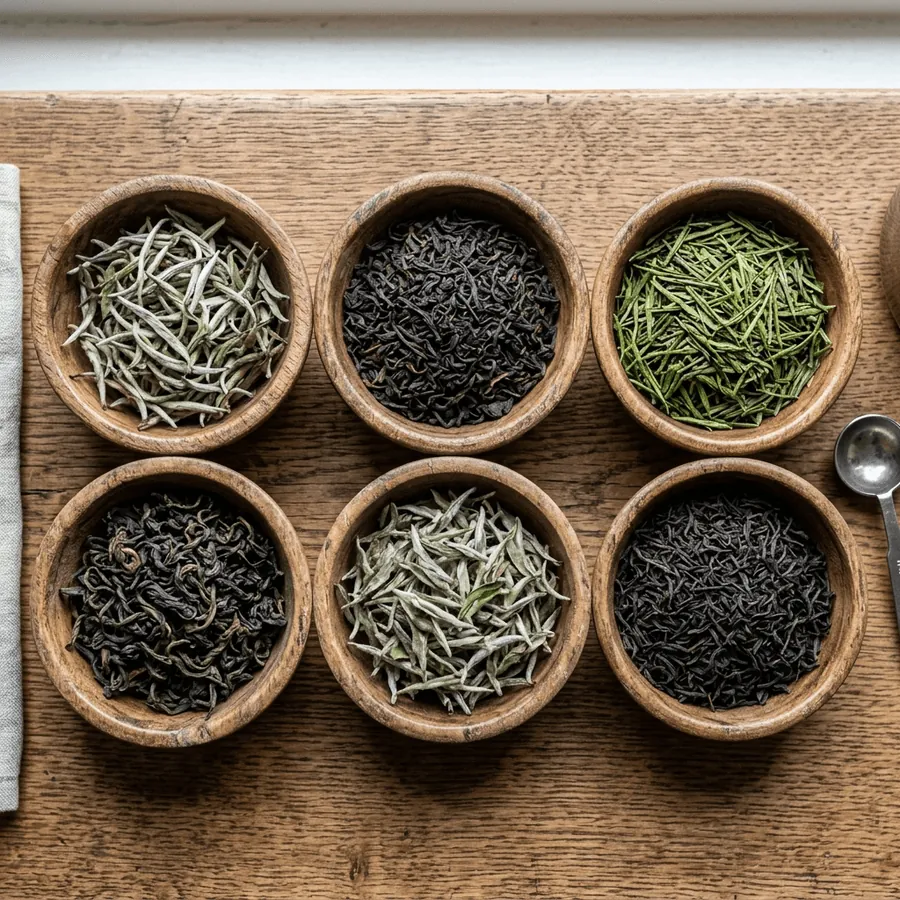
When high-grade tea leaves are harvested, their natural aromatic compounds—terpenes, aldehydes, and linalool—are safely locked inside intact cellular vacuole chambers. In loose-leaf tea, these whole leaves unfurl gradually during steeping, releasing subtle flavor notes across multiple infusions.
In contrast, tea bags must be stuffed with ultrafine "dust" or "fannings" so that water can permeate the paper mesh. This exposes the delicate tea oils to air, causing rapid oxidation. Within weeks of manufacturing, the tea loses its vibrancy, leaving behind a one-dimensional, bitter taste that requires heavy sugar and dairy to mask.
The Economics: Why Loose Leaf Actually Costs Less
Many consumers mistakenly believe loose-leaf tea is an expensive indulgence compared to tea bags. In reality, with a box of 25 tea bags priced at ₹250, you are paying over ₹5,000 per kilogram primarily for paper mesh, staples, tags, and packaging!
A 1kg pack of Ek Cup Zindagi whole leaf tea provides over 400 premium cups for less than ₹600—costing under ₹1.50 per cup while delivering pure, unadulterated estate freshness.
Frequently Asked Questions
How should I store loose tea?
Use an airtight container away from sunlight, moisture, heat and strong kitchen smells.
Do I need a special brewer?
A simple strainer is enough for most chai recipes. Use an infuser with space for the leaves when steeping without milk.